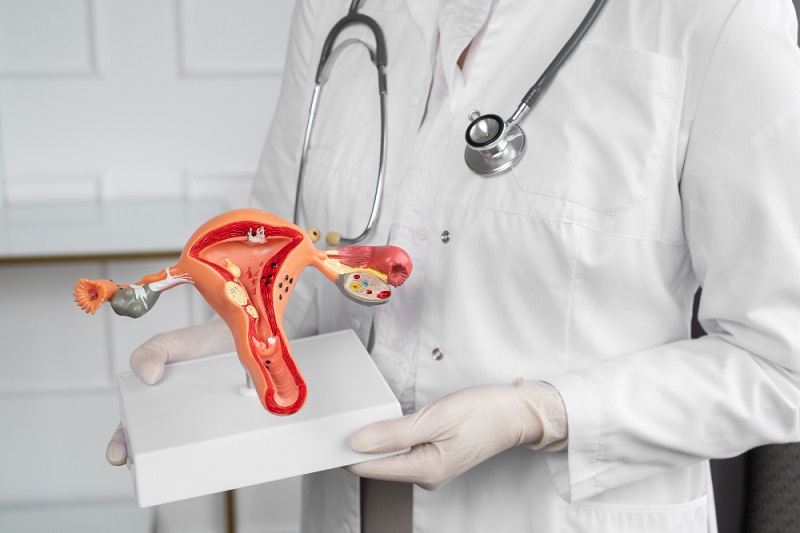
Endometriosis is a complex and often misunderstood condition that affects millions of individuals worldwide. Characterized by the presence of tissue similar to the uterine lining growing outside the uterus, it can lead to severe pain and infertility. Despite its prevalence, the root causes of endometriosis remain elusive, leaving many to wonder what triggers this condition. An exploration into the potential causes of endometriosis can shed light on this enigmatic disorder, providing better understanding and management strategies for those affected.
Genetic Factors
Research indicates a significant genetic component in the development of endometriosis. Studies have shown that women with a family history of the condition are at a higher risk of developing it. The genetic link suggests that:
- Specific genes may predispose individuals to endometriosis.
- Variations in the genetic code could influence the way the immune system responds to endometrial cells outside the uterus.
- Further genetic studies are necessary to identify specific genetic markers associated with the condition.
Understanding endometriosis causes at the genetic level could lead to more targeted therapies in the future.
Hormonal Imbalances
Hormones play a crucial role in the menstrual cycle, and imbalances in hormonal levels can contribute to the development of endometriosis. Key hormonal factors include:
- Estrogen dominance, which can exacerbate endometrial tissue growth.
- Progesterone resistance, which may impair the body’s ability to regulate endometrial tissue proliferation.
- Alterations in other reproductive hormones may also influence the severity and progression of the condition.
Addressing hormonal imbalances can be a critical component of managing endometriosis symptoms effectively.
Immune System Dysfunction
The immune system is integral in maintaining the body’s homeostasis by identifying and eliminating aberrant tissues. In individuals with endometriosis, the immune system may fail to recognize and destroy misplaced endometrial cells. Potential immune-related causes include:
- Dysregulated immune responses that allow endometrial cells to implant and grow outside the uterus.
- Increased levels of inflammatory cytokines, contributing to chronic pain and inflammation.
- Impaired natural killer cell activity, which may fail to target ectopic endometrial tissue effectively.
A deeper understanding of immune dysfunction in endometriosis could pave the way for novel therapeutic approaches targeting the immune system.
Environmental and Lifestyle Influences
While genetic and physiological factors play a significant role, environmental and lifestyle factors may also influence the onset and progression of endometriosis. These include:
- Exposure to endocrine-disrupting chemicals, which can interfere with hormonal functions.
- Dietary habits that may impact hormonal balance and inflammation.
- Stress and lifestyle choices that could exacerbate symptoms.
Modifying lifestyle factors can be an important aspect of a comprehensive approach to managing endometriosis.
Conclusion
The root causes of endometriosis are multifaceted, involving a combination of genetic, hormonal, immune, and environmental factors. As research continues to unravel the complexities of this condition, a better understanding of these factors will be critical in developing more effective management strategies. By exploring the underlying causes, individuals affected by endometriosis can gain insights into potential treatment options and lifestyle changes that may alleviate their symptoms.