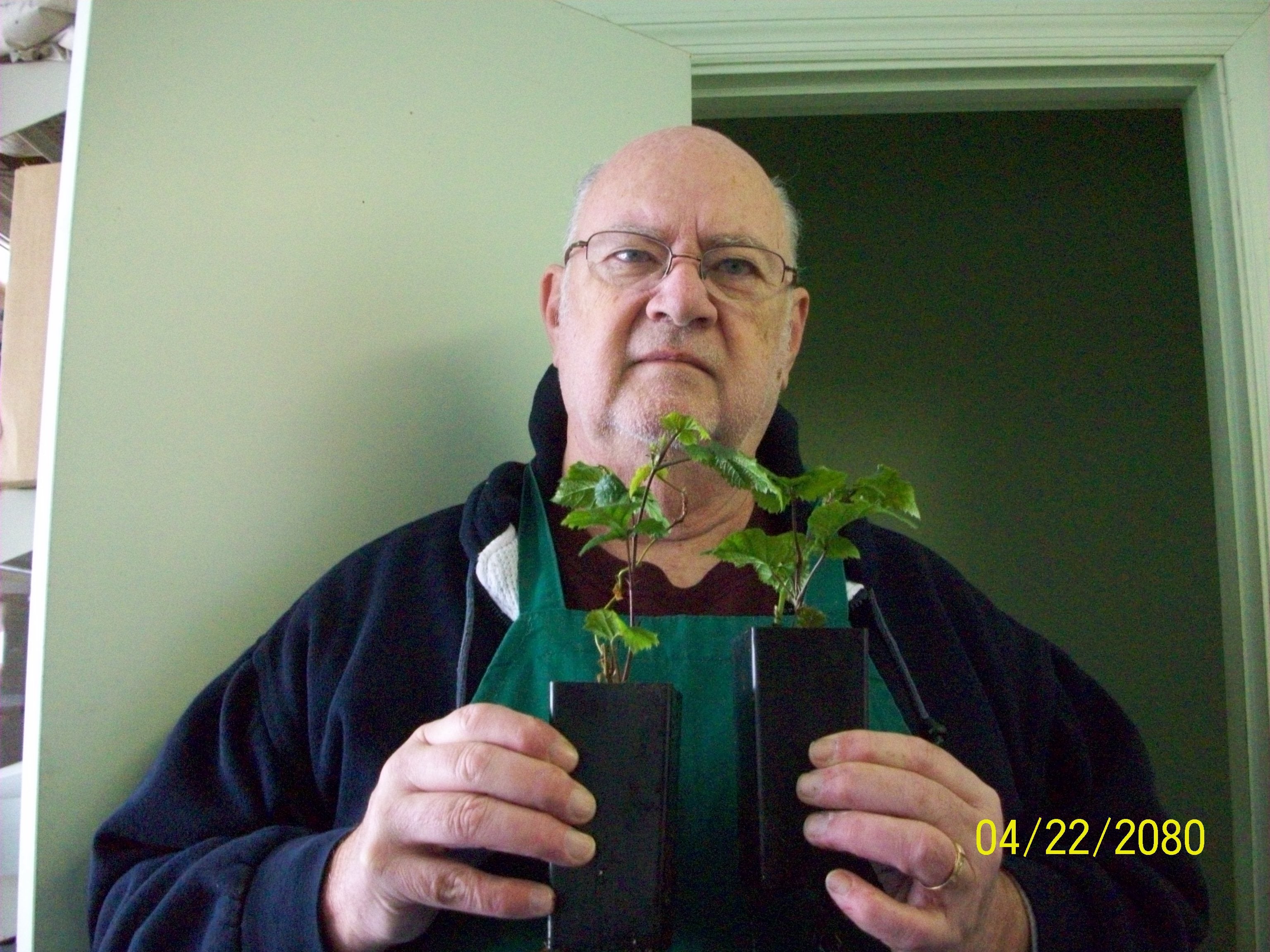
Growing blackberries can be a rewarding endeavor for any gardening enthusiast, especially when choosing thornless varieties. These varieties offer the joy of harvesting without the hassle of dealing with thorny bushes. With the right approach, cultivating healthy, productive blackberry plants is within reach for both novice and experienced gardeners. This article provides insights into cultivating thornless blackberries, focusing on the best practices to ensure a bountiful yield.
Understanding Thornless Varieties
Thornless blackberries are bred for ease of handling and comfort during harvest. They maintain the same delicious flavor and nutritional benefits as their thorny counterparts while providing a safer and more manageable gardening experience. Varieties such as ‘Chester’, ‘Triple Crown’, and ‘Apache’ are popular choices amongst gardeners.
Benefits of Thornless Blackberries
- Ease of Harvesting: Without thorns, the risk of injury is minimized.
- Low Maintenance: Easier pruning and maintenance without the hassle of navigating thorns.
- Enhanced Aesthetic: Smooth canes contribute to a tidier garden appearance.
Optimal Growing Conditions
To cultivate healthy blackberries, it is crucial to understand the ideal growing conditions. Blackberries thrive in environments that provide:
- Sunlight: Full sun exposure ensures vigorous growth and fruit production.
- Soil: Well-drained, slightly acidic soil with a pH between 5.5 and 6.5 is preferred.
- Watering: Consistent moisture, especially during fruiting, is essential but avoid waterlogging.
To explore advanced guides and tips on growing blackberries, discover expert strategies here.
Planting Techniques
Proper planting techniques are fundamental for establishing healthy blackberry plants. Follow these steps to ensure success:
- Site Preparation: Clear the area of weeds and debris. Ensure the soil is rich in organic matter.
- Spacing: Plant bushes 3-5 feet apart in rows to allow adequate air circulation and sunlight penetration.
- Depth: Plant the root ball just below the surface with the crown at soil level.
For tailored solutions to planting and maintaining blackberries, learn about our tailored solutions.
Maintenance and Care
To promote healthy growth and high yields, consistent care and maintenance are necessary. Key tasks include:
Pruning
- Prune annually to remove dead or diseased canes.
- Thin out crowded areas to improve air circulation.
- Cut back primocanes to encourage lateral growth and fruiting.
Fertilization
- Apply balanced fertilizer in early spring before new growth.
- Avoid over-fertilizing, which can lead to excessive foliage at the expense of fruit production.
Pest and Disease Management
- Regularly inspect plants for signs of pests such as aphids and spider mites.
- Implement integrated pest management (IPM) strategies to minimize chemical use.
- Practice crop rotation and proper sanitation to reduce disease incidence.
To find out more about this approach to blackberry care, find out more about this approach.
Harvesting and Storage
Once the berries are ripe, typically in midsummer, they should be harvested regularly to prevent over-ripening and pest attraction. Gently pick berries that are firm, plump, and deep in color. For best flavor, consume them fresh or store them in a cool, dry place. Freezing is an excellent option for preserving their natural sweetness and nutritional value.
For more insights on harvesting techniques, explore advanced guides and tips.
Cultivating thornless blackberries can be a fulfilling gardening pursuit with the right knowledge and techniques. By selecting suitable varieties and adhering to best practices in planting, maintenance, and harvesting, gardeners can enjoy a productive and hassle-free blackberry growing experience.