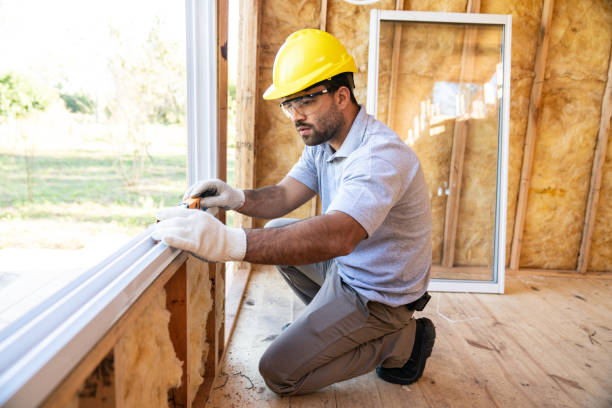
Understanding insulation prices is crucial for homeowners and businesses alike as they plan for construction or renovation projects. Insulation not only enhances comfort and energy efficiency but also adds value to a property. However, the costs associated with insulation can vary significantly based on several factors, making it essential to demystify these expenses. This article aims to shed light on the costs involved and provide useful budgeting tips.
Factors Influencing Insulation Prices
The cost of insulation is influenced by a variety of factors that need careful consideration. Here are some of the primary elements:
- Type of Insulation: Different insulation materials such as fiberglass, cellulose, or spray foam have varying costs. The insulation material chosen will significantly affect the overall price.
- R-Value: The R-value measures the insulation’s ability to resist heat flow. Higher R-values offer better insulation but come at a higher price.
- Installation Area: The size and accessibility of the area to be insulated can impact labor costs. Hard-to-reach spaces may incur additional charges.
- Labor Costs: Hiring an experienced insulation company can ensure quality installation, which might come with a premium.
Average Costs of Common Insulation Types
Fiberglass Insulation
Fiberglass is one of the most commonly used insulation materials due to its affordability and efficiency. The average cost ranges from $1.50 to $3.00 per square foot, including installation. Its popularity stems from its cost-effectiveness and performance in a variety of settings.
Spray Foam Insulation
Spray foam insulation offers excellent thermal resistance and air sealing properties. However, it is typically more expensive, with prices ranging from $3.00 to $7.00 per square foot. It is often considered the best insulation material for those seeking maximum efficiency and reduction in energy costs.
Cellulose Insulation
Made from recycled paper products, cellulose insulation is an eco-friendly choice. The cost usually falls between $1.00 and $2.50 per square foot. Its affordability and environmental benefits make it a popular choice for eco-conscious consumers.
Budgeting Tips for Insulation Projects
Planning and budgeting for an insulation project can be streamlined with the right approach. Here are some tips to help manage costs effectively:
- Conduct a Thorough Assessment: Begin with a comprehensive evaluation of the space to be insulated to determine the most suitable type and amount of insulation material required.
- Request Multiple Quotes: Obtain quotes from several insulation providers to compare insulation prices and services offered.
- Consider Long-term Savings: While upfront costs are important, also consider the long-term energy savings that effective insulation can provide.
- Look for Incentives: Check for any available rebates or tax credits for energy-efficient home improvements that can offset the initial costs.
Conclusion
Insulation is a critical component of any building project, offering benefits that extend beyond just temperature control. By understanding the factors that influence insulation prices and implementing effective budgeting strategies, property owners can make informed decisions. Investing in quality insulation not only improves comfort and energy efficiency but also enhances property value. For more information on selecting the right insulation and finding a reputable provider, consider consulting resources that specialize in the field.