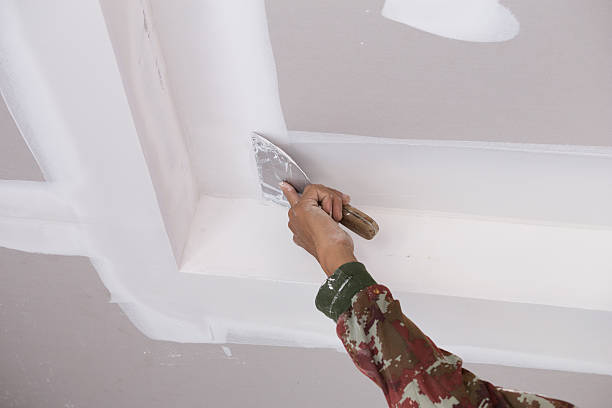
Sagging plaster ceilings are a common concern in many homes, especially those with older constructions. Over time, the effects of gravity, moisture, and structural shifts can cause plaster ceilings to droop, leading to unsightly appearances and potential safety hazards. Addressing this issue before it escalates can save homeowners from costly repairs and preserve the structural integrity of their homes. This article provides a comprehensive guide to understanding, diagnosing, and fixing sagging plaster ceilings, offering valuable insights for proactive homeowners.
Understanding the Causes of Sagging Plaster Ceilings
Several factors can contribute to sagging plaster ceilings, and understanding these can help in effectively addressing the problem:
- Moisture Intrusion: Water leaks from roofs or plumbing can weaken plaster, causing it to sag over time.
- Aging Materials: Plaster and lath systems degrade over the decades, which can lead to detachment from the ceiling joists.
- Poor Installation: Improper installation techniques can result in inadequate support for plaster, increasing the risk of sagging.
- Structural Movement: Shifts in the building’s structure due to settling or other factors can exert pressure on plaster ceilings.
Identifying Signs of Ceiling Sagging
Early detection of sagging plaster ceilings can prevent further deterioration. Key signs include:
- Visible Cracks: Cracks in the plaster, especially those that widen over time, indicate underlying issues.
- Drooping Sections: Noticeable dips or uneven areas in the ceiling surface suggest sagging support.
- Peeling Paint: Paint that peels or bubbles may be a result of moisture issues affecting the plaster.
For more detailed insights on identifying and addressing ceiling issues, explore advanced guides and tips.
Steps to Fix Sagging Plaster Ceilings
Preparation and Safety Measures
Before beginning any repair work, it is crucial to ensure safety and prepare the area properly:
- Clear the Area: Remove all furniture and valuables from the room to prevent damage and allow easy access.
- Protective Gear: Wear safety goggles and masks to protect against dust and debris.
- Assess Structural Integrity: Check the ceiling joists and supporting structures for any damage before proceeding with plaster repairs.
Repair Techniques
For effective repair, consider the following techniques:
- Re-secure Plaster: Using plaster washers, reattach loose plaster to the lath to restore support.
- Patch and Replaster: For more extensive damage, remove the sagging sections and apply new plaster to the affected areas.
- Professional Assessment: In cases of severe sagging or structural concerns, discover expert strategies here for professional evaluation and repair.
Preventive Measures
Taking proactive steps can prevent future issues with plaster ceilings:
- Regular Inspections: Conduct periodic checks for signs of moisture or structural changes.
- Address Water Leaks Promptly: Repair any leaks in roofing or plumbing systems to prevent moisture damage.
- Maintain Proper Ventilation: Ensure good air circulation to reduce humidity levels that can affect plaster integrity.
For tailored advice on maintaining plaster ceilings, learn about our tailored solutions.
By understanding the causes and implementing effective repair and preventive strategies, homeowners can maintain the beauty and safety of their plaster ceilings. Early intervention and regular maintenance are key to avoiding costly repairs and ensuring the longevity of plasterwork. Find out more about this approach to keep your ceilings in top condition.