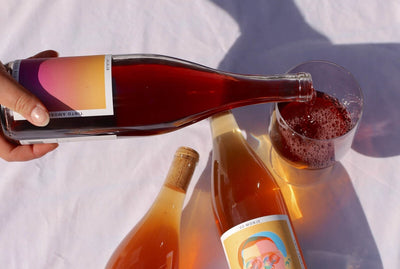
Natural wines have moved from niche cellar shelves to the forefront of modern wine culture, offering drinkers an authentic expression of terroir, minimal intervention, and vibrant flavors. Selecting the right bottle can be daunting, especially when the market is flooded with countless labels promising “pure” experiences. This guide distills the most important criteria, soil, grape variety, fermentation style, and aging potential, into a concise roadmap, helping enthusiasts and professionals alike choose wines that truly embody the natural philosophy.
Key Characteristics of Natural Wines
Understanding what makes a wine “natural” is the first step toward confident selection. The following points outline the core principles most producers adhere to:
- Organic or biodynamic vineyards: Grapes are cultivated without synthetic pesticides, herbicides, or fertilizers.
- Native yeasts: Fermentation relies on the microorganisms naturally present on the grape skins, rather than commercial yeast strains.
- Low or no added sulfites: Preservation is achieved through careful handling, not through large quantities of sulfur dioxide.
- Minimal filtration: Wines are often bottled with little to no filtration, preserving texture and aromatics.
Regional Highlights
France – The Birthplace of Natural Winemaking
French natural wines continue to set global standards. Regions such as the Loire Valley, Beaujolais, and the Languedoc produce expressive, terroir-driven wines that showcase the purity of the fruit.
- Loire Valley Chenin Blanc: Crisp acidity, stone fruit notes, and a slight pétillance that makes it a perfect aperitif.
- Beaujolais Gamay: Light-bodied, bright red fruit with a silky mouthfeel, often bottled shortly after fermentation.
Italy – Tradition Meets Innovation
Italian natural winemakers blend centuries-old practices with contemporary sustainability. Look for wines from Sicily, Piedmont, and the Veneto that emphasize indigenous varieties.
- Sicilian Nero d’Avola: Deep color, earthy undertones, and a hint of Mediterranean herbs.
- Piedmont Barbera: High acidity, bright cherry flavors, and a subtle tannic backbone.
How to Evaluate a Natural Wine Before Purchase
When browsing a retailer’s selection, consider the following checklist to ensure the bottle aligns with natural wine principles:
- Check the label for organic or biodynamic certification.
- Look for statements about “no added sulfites” or “low sulfite” levels.
- Research the producer’s fermentation methods, native yeast is a strong indicator.
- Read reviews that mention “unfiltered” or “minimal filtration.”
For a curated collection that meets these standards, Explore advanced guides and tips that highlight top-rated bottles.
Top Picks for Different Palates
Bright and Fruity Whites
Ideal for those who enjoy lively acidity and aromatic intensity.
- Albariño from Rías Baixas: Zesty citrus, green apple, and a saline finish.
- Vermentino from Sardinia: Herbal notes, ripe peach, and a crisp, clean finish.
Elegant Reds with Soft Tannins
Perfect for casual dinners or relaxed evenings.
- Pinot Noir from the Jura: Red berry aromas, earthy undertones, and a silky texture.
- Gamay from Beaujolais: Light-bodied, juicy cherry flavors with a refreshing finish.
Full-Bodied Reds for Connoisseurs
These selections offer depth, complexity, and a longer aging potential.
- Syrah from the Northern Rhône: Dark plum, pepper, and a smoky minerality.
- Tempranillo from Rioja (natural style): Rich berry fruit, leather, and subtle oak integration.
Serving and Storage Tips
Natural wines often benefit from a short breathing period and slightly cooler serving temperatures than conventional counterparts.
- Whites & Rosés: Serve at 10-12 °C (50-54 °F). Decant for 15-30 minutes to open aromatics.
- Reds: Serve at 14-16 °C (57-61 °F). Lightly aerate for 20-40 minutes, especially for unfiltered reds.
- Storage: Keep bottles on their sides in a dark, temperature-stable environment (12-14 °C). Natural wines with low sulfites may evolve more quickly, so consider consuming within 2-3 years of release.
Where to Find Trusted Selections
Choosing a reputable retailer simplifies the discovery process, ensuring that each bottle adheres to strict natural standards. A curated online shop offers detailed provenance, winemaker notes, and transparent ingredient lists.
For a seamless shopping experience that aligns with the criteria outlined above, Find out more about this approach and explore a range of meticulously vetted wines.
Conclusion
Natural wines provide a genuine connection to the vineyard, allowing drinkers to experience the pure expression of grape, soil, and climate. By focusing on organic origins, native fermentations, low sulfite levels, and minimal intervention, enthusiasts can select bottles that not only taste exceptional but also support sustainable viticulture. Whether the palate prefers bright whites, delicate reds, or robust, age-worthy selections, the guidelines and recommendations above serve as a reliable compass. To expand the collection further, Discover expert strategies here and enjoy the nuanced world of natural wine with confidence.