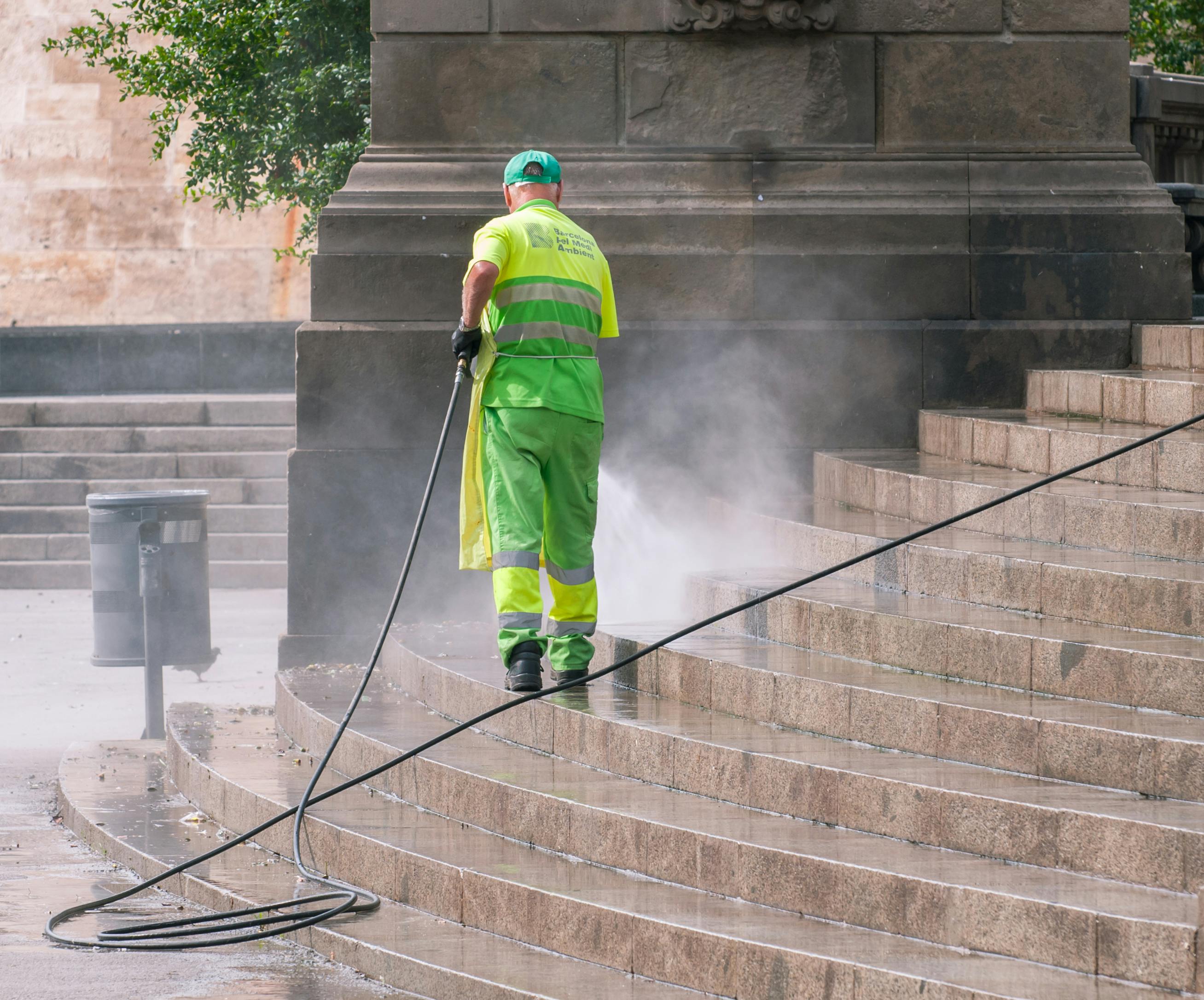
Commercial pressure washing in Houston is an essential service for maintaining the appearance, safety, and longevity of a wide range of properties, from industrial warehouses to retail storefronts. The city’s humid subtropical climate, combined with heavy traffic, industrial activity, and occasional severe weather, creates conditions that accelerate the buildup of grime, oil, mold, and other contaminants on exterior surfaces. Properly executed pressure washing not only enhances curb appeal but also protects structures from deterioration, reduces slip hazards, and supports compliance with health and safety regulations. Understanding the key components of an effective pressure washing program helps property managers and facility owners make informed decisions that maximize return on investment while preserving the integrity of their assets.
Why Commercial Pressure Washing Is Critical in Houston
Houston’s unique environmental factors demand regular and thorough cleaning of commercial exteriors. The following points illustrate why systematic pressure washing is indispensable:
- Climate-induced growth: High humidity and frequent rain promote algae, mold, and mildew, which can degrade paint and masonry.
- Industrial pollutants: Oil spills, grease, and chemical residues from nearby manufacturing or transportation corridors adhere to surfaces, creating stubborn stains.
- Safety compliance: Accumulated debris on walkways and loading docks can become slip hazards, potentially leading to OSHA violations.
- Brand image: A clean fa??ade reflects professionalism and can influence customer perception, especially in competitive retail districts.
Core Components of an Effective Pressure Washing Program
1. Assessment and Planning
Before any equipment is deployed, a comprehensive site evaluation should be performed. This includes identifying surface types, assessing the level of contamination, and noting any delicate features that require special attention. A well-structured plan reduces the risk of damage and ensures consistent results across all areas.
2. Selecting the Right Equipment
Commercial projects typically require high-pressure pumps (ranging from 3,000 to 4,000 PSI) combined with appropriate nozzles and surface-specific detergents. Choosing the correct pressure level and nozzle pattern is crucial to avoid etching or stripping paint while achieving effective cleaning.
3. Proper Detergent Use
Eco-friendly, biodegradable cleaners are recommended to meet local environmental regulations. Detergents should be matched to the type of soil:
- Alkaline solutions for grease and oil.
- Acidic cleaners for mineral deposits and rust stains.
- Neutral pH agents for general grime.
4. Execution Techniques
Effective pressure washing follows a systematic approach:
- Pre-wet the surface to reduce splatter.
- Apply detergent and allow dwell time according to manufacturer guidelines.
- Rinse with appropriate pressure, maintaining a consistent distance to avoid uneven cleaning.
- Inspect the area post-cleaning and repeat spots if necessary.
5. Post-Cleaning Maintenance
Regular maintenance schedules prolong the benefits of each wash. Implementing a quarterly or bi-annual cleaning calendar, based on traffic volume and exposure, helps prevent excessive buildup.
Special Considerations for Different Commercial Surfaces
Not all exterior materials respond identically to pressure washing. Understanding the nuances ensures optimal results without compromising surface integrity.
Concrete and Asphalt
These porous surfaces can retain oil and chemicals deep within the substrate. High-pressure jets combined with degreasing agents are effective, but care must be taken to avoid excessive erosion.
Metal Facades
Aluminum and steel panels often accumulate rust and industrial grime. A lower pressure setting with a soft-brush attachment helps remove contaminants while preserving the protective coating.
Wooden Structures
Wood is vulnerable to splintering under high pressure. Using a wide-angle nozzle at reduced PSI, along with wood-specific cleaners, cleans without damaging the grain.
Glass and Glazing
Specialized low-pressure washers and non-abrasive detergents prevent streaks and etching on large storefront windows.
Environmental and Safety Protocols
Compliance with local regulations and industry best practices safeguards both the environment and personnel. Key protocols include:
- Capturing runoff to prevent contaminant discharge into storm drains.
- Using personal protective equipment (PPE) such as goggles, gloves, and hearing protection.
- Ensuring proper ventilation when working indoors or in confined spaces.
- Following EPA guidelines for the use and disposal of cleaning agents.
Cost Efficiency and ROI
Investing in professional pressure washing can yield measurable financial benefits. By extending the lifespan of exterior finishes, reducing the need for repainting, and minimizing slip-and-fall incidents, businesses can see a clear return on investment. Additionally, maintaining a clean exterior can enhance property values and attract higher-quality tenants.
For a deeper dive into budgeting considerations and cost-benefit analysis, Read more about this topic.
Choosing the Right Service Provider
When selecting a contractor, evaluate the following criteria to ensure quality and reliability:
- Licensing and insurance coverage specific to pressure washing operations.
- Experience with the particular surface types present on the property.
- Availability of environmentally compliant detergents and waste-capture systems.
- Transparent pricing structures and detailed project proposals.
For guidance on what to look for in a qualified professional, Learn more in this detailed guide.
Future Trends in Commercial Pressure Washing
Technological advancements are shaping the next generation of cleaning services. Emerging trends include:
- Smart pressure washing systems: IoT-enabled equipment that monitors pressure, flow rate, and detergent usage in real time.
- Water reclamation: Closed-loop systems that recycle wash water, reducing consumption and runoff.
- Biodegradable nanotech detergents: Enhanced cleaning power with minimal environmental impact.
To explore how these innovations can be applied to Houston properties, Explore further insights here.
Conclusion
Commercial pressure washing is a vital component of property maintenance in Houston, addressing both aesthetic and functional concerns. By adhering to proper assessment, equipment selection, detergent usage, and safety protocols, businesses can protect their assets, comply with regulations, and present a polished image to customers and partners. Continuous education on best practices and emerging technologies ensures that cleaning strategies remain effective and sustainable for years to come.
For additional resources and comprehensive information, Find additional information here.