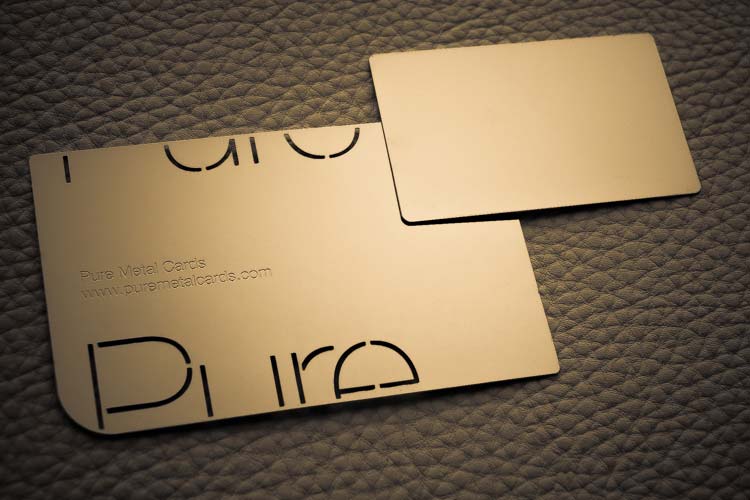
In the fast-paced and competitive world of business, standing out is paramount. A custom business card is a powerful tool that not only communicates essential contact information but also serves as a tactile representation of a brand?s identity. A well-designed custom business card can leave a lasting impression, elevate brand perception, and foster meaningful connections. This article explores how custom business cards can elevate a brand and provides insights on maximizing their potential.
The Importance of First Impressions
The saying “you never get a second chance to make a first impression” holds true in business interactions. A custom business card is often the first tangible interaction someone has with a brand. Here?s why first impressions matter:
- Memorability: A unique design ensures the card is memorable and distinguishes it from generic cards.
- Professionalism: High-quality materials and thoughtful design communicate professionalism and attention to detail.
- Brand Identity: Custom designs reflect the brand?s values, culture, and industry positioning.
Design Elements to Consider
Creating a custom business card involves more than just choosing colors and fonts. The design should synergize with the brand?s identity and strategic objectives:
Material Selection
Different materials convey different messages. Options range from classic paper to modern metals, each offering distinct advantages:
- Paper: Traditional and versatile, available in various textures and finishes.
- Metal: Durable and unique, ideal for industries valuing innovation and cutting-edge technology.
Shape and Size
While standard-sized cards are popular, custom shapes and sizes can make a brand stand out. Considerations include:
- Shape: Custom-shaped cards can reflect the brand?s logo or product.
- Size: Non-standard sizes can capture attention but should remain convenient for storage.
Integrating Technology
Incorporating technology into business cards can enhance functionality and engagement. Options include:
- QR Codes: Direct recipients to digital portfolios or contact forms.
- NFC Chips: Enable instant sharing of digital information with a tap.
Practical Tips for Effective Usage
Maximizing the impact of custom business cards involves strategic usage in various settings. Here are practical tips:
- Networking Events: Ensure easy access to cards for seamless distribution during networking events.
- Follow-ups: A personalized note on the card can facilitate post-meeting engagement.
- Consistency: Ensure the design aligns with other marketing materials for cohesive branding.
Conclusion
Custom business cards are more than functional tools; they are integral to a brand?s identity and marketing strategy. By investing in thoughtful design and strategic use, brands can significantly enhance their visibility and reputation. Whether opting for a sleek metallic finish or a vibrant custom shape, the right business card can be a game-changer in establishing lasting professional relationships.