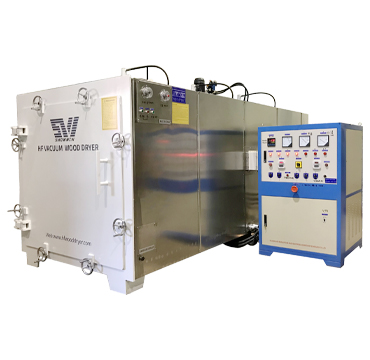
In the world of woodworking and timber processing, the quality of the final product is largely dependent on the initial drying process. Moisture content plays a crucial role in determining the durability, strength, and usability of wood. Traditionally, air drying has been the go-to method, but with advancements in technology, modern wood drying equipment has revolutionized this critical step. The adoption of these sophisticated systems ensures that the timber retains its quality, reduces wastage, and enhances overall productivity.
The Importance of Proper Wood Drying
Proper drying of wood is essential for several reasons. It not only stabilizes the wood but also prevents potential problems that could compromise the integrity of the final product. Here are some key benefits:
- Prevents Warping and Cracking: Controlled drying minimizes the risk of physical deformities.
- Enhances Strength: Reduces the susceptibility of the wood to decay and insect infestation.
- Improves Workability: Well-dried wood is easier to work with, ensuring precision and smooth finishes.
Types of Wood Drying Equipment
Modern technology offers a range of wood drying solutions, each tailored to meet specific needs. The choice of equipment depends on the type of wood, desired moisture content, and production scale. Some of the commonly used systems include:
Conventional Kilns
Conventional kilns are widely used due to their efficiency in drying large quantities of wood. They utilize a combination of heat and airflow to remove moisture content effectively. This method is particularly advantageous for hardwoods, ensuring even drying without compromising the wood’s natural properties.
Dehumidification Kilns
Dehumidification kilns are energy-efficient alternatives, utilizing a heat pump to extract moisture from the air within the kiln chamber. This method is ideal for smaller operations or specific wood types that require gentle drying processes.
Vacuum Kilns
Vacuum kilns are known for their speed and efficiency, significantly reducing drying times. They work by lowering the atmospheric pressure inside the chamber, which facilitates rapid moisture removal. This type of kiln is particularly favorable for high-value or sensitive wood species, as it reduces the risk of defects.
Choosing the Right Equipment
When selecting wood drying equipment, it’s essential to consider various factors to ensure the best fit for your needs. These include:
- Wood Species: Different woods have varying moisture content requirements and drying characteristics.
- Production Scale: The size of the operation will dictate the capacity and type of equipment needed.
- Energy Consumption: Consider the energy efficiency of the equipment to balance operational costs.
Maximizing Efficiency and Quality
Integrating advanced wood drying technology into timber processing operations not only enhances product quality but also optimizes efficiency. Here are some tips to maximize the benefits:
- Regular Maintenance: Ensure equipment is regularly serviced to maintain optimal performance and prevent breakdowns.
- Training and Education: Equip staff with the necessary skills and knowledge to operate the equipment efficiently.
- Environmental Controls: Monitor and adjust environmental factors such as temperature and humidity to suit specific drying needs.
Conclusion
The adoption of modern wood drying equipment is a significant investment in the pursuit of high-quality timber products. By selecting the right system and implementing best practices, businesses can ensure that their wood products meet the highest standards of quality and durability. As technology continues to evolve, staying informed and adaptable will be key to maintaining a competitive edge in the industry.