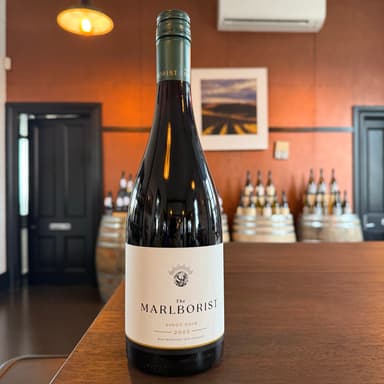
Blenheim, nestled in the heart of New Zealand’s Marlborough wine region, offers an unrivaled tasting experience for connoisseurs and casual enthusiasts alike. From world-class Sauvignon Blanc to boutique Pinot Noir, the valley’s vineyards combine pristine terroir with meticulous craftsmanship. Securing a reservation at a top-tier cellar door not only guarantees access to limited-release pours but also provides insight into the viticultural techniques that have placed Marlborough on the global map. This guide outlines the essential steps for planning a seamless wine tasting journey, highlights must-visit venues, and offers practical tips to maximize enjoyment.
Choosing the Right Tasting Experience
The region’s diversity means that each cellar door presents a distinct narrative. Selecting the ideal venue depends on factors such as preferred varietals, group size, and desired level of interaction with winemakers. Below are three categories to consider when planning a reservation.
Premium Estates
- Offer private tasting rooms with curated flight selections.
- Include guided tours of barrel rooms and vineyard blocks.
- Often provide food pairings that showcase local produce.
Family-Run Wineries
- Focus on intimate settings and personal stories behind each label.
- Allow visitors to explore lesser-known grape varieties.
- Typically feature relaxed, informal tastings without strict time limits.
Innovative Boutique Producers
- Experiment with alternative winemaking techniques and experimental blends.
- Host themed events such as vertical tastings or sensory workshops.
- Provide opportunities to purchase limited-edition bottles directly from the source.
How to Secure a Reservation
Most cellar doors operate on a first-come, first-served basis, especially during peak harvest season (February-April). The following steps streamline the booking process and reduce the risk of missing out.
- Visit the official winery website and locate the Discover expert strategies here section for reservation policies.
- Choose a preferred date and time slot; early mornings often provide a quieter atmosphere.
- Complete the online form with accurate contact details; a confirmation email will follow.
- If the venue uses a phone-only system, call ahead and mention any special requirements (e.g., dietary restrictions for food pairings).
- Mark the appointment in a calendar and set a reminder 24″?hours before the visit.
What to Expect During the Tasting
A well-structured tasting typically follows a progression from lighter to fuller-bodied wines, allowing the palate to adjust naturally. Most hosts will guide guests through the following stages:
- Welcome and orientation: Brief overview of the estate’s history and winemaking philosophy.
- Flight tasting: 5-7 wines served in measured pours, accompanied by tasting notes.
- Food pairing (optional): Small plates designed to complement the selected wines.
- Q&A with the winemaker: Insight into vineyard practices, climate impact, and future releases.
For those seeking deeper knowledge, many venues provide supplementary materials such as vintage charts or vineyard maps. Engaging with these resources can enhance appreciation of the subtle nuances that differentiate each bottle.
Practical Tips for an Enjoyable Visit
Even the most meticulously planned itinerary benefits from a few on-the-ground adjustments. Consider the following recommendations to ensure a comfortable and memorable experience.
- Dress appropriately: Light layers are advisable; vineyards can be cool in the morning and warm by midday.
- Stay hydrated: Alternate wine pours with water to maintain palate sensitivity.
- Bring a notebook: Jotting down impressions helps when selecting bottles to purchase later.
- Respect the schedule: Allow the host to manage timing, especially when groups are large.
- Explore the surrounding area: Many wineries are located near scenic walking trails or local art installations.
Booking Additional Experiences
Beyond standard tastings, several estates offer extended experiences such as vineyard picnics, barrel-room workshops, and private chef collaborations. Details about these options can often be found on the winery’s events page. For a curated list of advanced offerings, Explore advanced guides and tips to match personal interests with available programs.
Conclusion
Blenheim’s wine tasting reservations provide more than a simple sip; they open a window into a region where climate, soil, and human dedication converge to produce world-renowned wines. By researching venue types, following a clear booking process, and embracing practical tasting etiquette, visitors can fully immerse themselves in the Marlborough experience. For further information on reservation platforms, tailored itineraries, and complementary services, Find out more about this approach and let the journey begin.