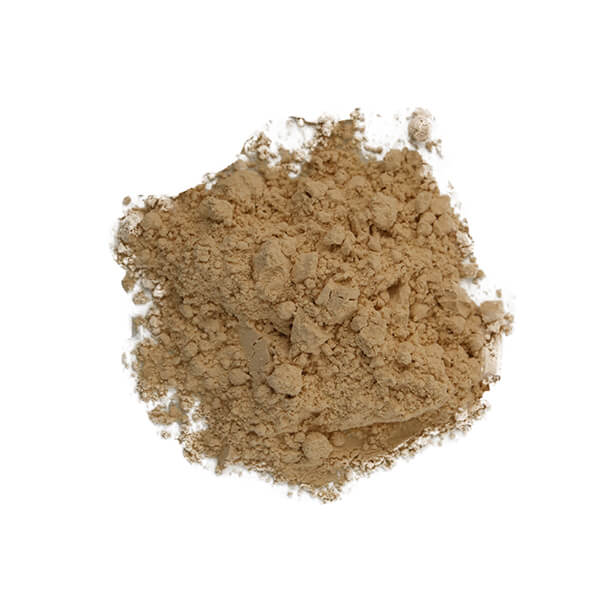
In the world of fitness and nutrition, protein powders have become a staple for athletes and fitness enthusiasts alike. However, with the multitude of options available in the market, finding the right protein powder that meets individual dietary needs and fitness goals can be challenging. Designing a personalized protein supplement can offer a tailored solution to meet specific nutritional requirements, preferences, and performance objectives. This article explores the process of creating a custom protein blend, ensuring it aligns perfectly with one’s fitness goals.
Understanding Your Protein Needs
Before embarking on the journey to make your own protein powder, it’s crucial to understand the role of protein in the body and how much is required to meet personal fitness goals. Proteins are the building blocks of muscles, and they play a vital role in recovery and growth. Factors influencing protein needs include:
- Activity Level: Athletes and those engaging in regular intense workouts generally require more protein than sedentary individuals.
- Body Weight and Composition: A higher muscle mass necessitates increased protein intake to maintain muscle tissue.
- Dietary Preferences: Dietary restrictions such as vegetarianism or veganism will affect the choice of protein sources.
Choosing the Right Ingredients
Protein Sources
Selecting the appropriate protein source is the foundation of any custom protein powder. Popular sources include:
- Whey Protein: Known for its high biological value and rapid absorption, ideal for post-workout recovery.
- Casein: Slow-digesting protein, perfect for sustained amino acid release over several hours.
- Plant-Based Options: Pea, rice, and hemp proteins for those with dairy allergies or following plant-based diets.
Additional Nutrients
To build your own protein powder that caters to specific needs, consider adding other ingredients:
- Carbohydrates: For energy replenishment, especially important for endurance athletes.
- Amino Acids: Enhance muscle recovery with branched-chain amino acids (BCAAs) or glutamine.
- Micronutrients: Vitamins and minerals to support overall health and wellness.
- Flavorings and Sweeteners: Natural options like stevia or cocoa powder for taste enhancement.
Formulating the Perfect Blend
Creating the perfect protein blend involves a balance of trial and error along with a keen understanding of one’s nutritional and performance needs. Here are some tips for a successful formulation:
- Start Simple: Begin with a basic protein base and gradually add other components.
- Adjust as Needed: Monitor how the body responds and tweak the formula accordingly.
- Consult a Professional: Consider seeking guidance from a nutritionist or dietitian to ensure optimal formulation.
Benefits of a Custom Protein Supplement
Opting to create your own protein powder offers numerous benefits:
- Personalization: Tailored to meet specific dietary and fitness needs.
- Quality Control: Ensures the use of high-quality ingredients without fillers or unnecessary additives.
- Cost-Effective: Potentially more economical than purchasing multiple separate supplements.
Conclusion
Designing a customizable protein powder empowers individuals to take control of their nutrition and fitness journey. By understanding protein needs, selecting the right ingredients, and formulating a personalized blend, anyone can create a supplement that aligns perfectly with their goals. For those serious about optimizing their performance and recovery, a custom made protein powder offers a tailored approach to achieving peak physical condition.