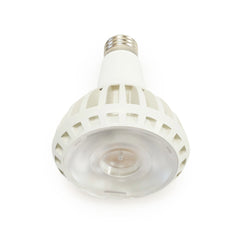
In the quest for optimal plant growth, LED grow light bulbs have emerged as a leading solution for indoor gardeners and commercial growers alike. These innovative lighting solutions offer a sustainable and efficient way to provide plants with the necessary light spectrum for photosynthesis, without the excessive energy consumption of traditional lighting methods. This article delves into how LED grow light bulbs can be used to maximize plant growth, offering insights into their benefits, usage tips, and how they can be integrated into various growing environments.
Understanding the Benefits of LED Grow Light Bulbs
LED grow light bulbs provide numerous advantages that make them an excellent choice for plant enthusiasts. Here are some key benefits:
- Energy Efficiency: LED bulbs consume significantly less energy compared to traditional incandescent or fluorescent lights, leading to lower electricity bills.
- Long Lifespan: With a lifespan extending up to 50,000 hours, these bulbs reduce the frequency of replacements and disposal.
- Customizable Light Spectrum: LEDs can be tailored to emit specific light wavelengths, optimizing the light spectrum for different stages of plant growth.
- Low Heat Output: LED bulbs generate minimal heat, reducing the risk of scorching plants and maintaining an ideal growing environment.
- Environmentally Friendly: As they contain no harmful substances like mercury, LEDs are safer for the environment.
How to Use LED Grow Light Bulbs Effectively
Choosing the Right Spectrum
The ability to customize the light spectrum is one of the standout features of LED grow lights. Different wavelengths support various growth stages:
- Blue Light (400-500 nm): Essential for vegetative growth, promoting leaf development and strong stems.
- Red Light (600-700 nm): Crucial for flowering and fruiting stages, red light encourages blooming and fruit production.
By adjusting the spectrum according to the growth stage, plants receive the optimal light for their needs. Discover expert strategies here to tailor your lighting setup effectively.
Installation and Placement
Proper installation and placement of LED grow light bulbs are crucial for maximizing their benefits:
- Height Adjustment: Position lights at an appropriate distance from plants to ensure even light distribution without causing heat stress.
- Coverage Area: Ensure that the light covers the entire plant area. Multiple bulbs may be needed for larger spaces.
- Duration and Timing: Mimic natural daylight by setting timers to ensure plants receive consistent light exposure.
For a more detailed guide on setting up LED grow lights, explore advanced guides and tips.
Integrating LED Grow Light Bulbs into Various Growing Environments
LED grow light bulbs are versatile and can be adapted to different growing environments:
Indoor Gardens
For indoor gardens, LEDs provide the necessary light intensity without the heat output of traditional lights. They are ideal for small spaces where heat management is crucial.
Commercial Greenhouses
In larger operations, LEDs help reduce energy costs and provide precise control over the light spectrum and intensity, leading to higher yields and better-quality produce. Find out more about this approach for commercial applications.
Home Growers
For hobbyists and home growers, LED grow lights offer an affordable and efficient way to cultivate plants year-round, regardless of the outdoor conditions. Learn about our tailored solutions for home gardening.
In conclusion, LED grow light bulbs represent a significant advancement in horticultural lighting, offering energy efficiency, customizable light spectrums, and adaptability to various growing environments. By understanding and utilizing these lights effectively, growers can achieve lush, vibrant plants with minimal environmental impact.