Blog

  • Maximize Efficiency with Professional Document Solutions

    Generated Image

    In the fast-paced world of business, maximizing efficiency can often be the key to maintaining a competitive edge. As organizations strive to streamline processes, reduce costs, and enhance productivity, the role of professional document solutions becomes increasingly important. These solutions offer more than just basic printing services; they provide a comprehensive approach to managing the vast array of documents that businesses encounter daily. Through the integration of advanced technologies and strategic management, businesses can transform their document handling processes, allowing for a more agile and responsive operational environment.

    The Importance of Professional Document Solutions

    Professional document solutions play a crucial role in enhancing operational efficiency. By addressing common challenges associated with document management, such as high printing costs and document security, businesses can significantly improve their productivity and cost-effectiveness.

    Cost-Effective Solutions

    Reducing operational costs is a primary goal for many businesses. Professional document solutions can help achieve this by offering:

    • Access to advanced office color printers that provide high-quality prints at lower costs.
    • Efficient document management systems that minimize waste and optimize resource usage.
    • Options to buy 3d printers, thereby expanding the range of services and reducing the need for outsourcing.

    Enhancing Document Security

    In today?s digital age, ensuring the security of sensitive information is paramount. Professional document solutions incorporate robust security features, such as:

    • Secure printing capabilities that require authentication before documents are released.
    • Advanced encryption technologies to protect data during transmission and storage.
    • Comprehensive access controls to limit document access to authorized personnel only.

    Streamlining Workflow with Advanced Technologies

    The integration of advanced technologies into document solutions is reshaping how businesses handle their documentation needs. These technologies not only improve efficiency but also enhance the overall functionality of document management systems.

    Automation and Integration

    Automation is a powerful tool in maximizing efficiency. By automating routine tasks, businesses can:

    • Reduce the time spent on manual processes, allowing employees to focus on more strategic activities.
    • Minimize errors associated with manual data entry.
    • Improve the speed and accuracy of document processing.

    Integration with existing systems is also crucial. Professional document solutions can seamlessly integrate with other business applications, ensuring a cohesive and efficient workflow.

    Innovative Printing Solutions

    With the advent of cutting-edge printing technologies, businesses have more options than ever before. From traditional printing to modern digital solutions, document solutions provide:

    • A wide range of office printers for sale that cater to diverse business needs.
    • State-of-the-art printing technologies that deliver high-speed and high-quality outputs.
    • Flexible printing services that support various media and formats.

    The Future of Document Solutions

    As businesses continue to evolve, document solutions will play an increasingly vital role in driving efficiency and innovation. By adopting a strategic approach to document management, businesses can not only improve their current operations but also position themselves for future success. Embracing pro document solutions enables organizations to stay ahead of technological advancements and remain competitive in a rapidly changing marketplace.

    In conclusion, professional document solutions offer a holistic approach to document management that enhances efficiency, reduces costs, and improves security. By leveraging advanced technologies and strategic solutions, businesses can transform their document handling processes, paving the way for a more productive and successful future.

  • Ottawa’s Premier Cleaning Services

    Generated Image

    In the bustling city of Ottawa, maintaining a pristine environment?be it at home or the workplace?can be a daunting task amidst busy schedules. The importance of cleanliness goes beyond aesthetics; it is pivotal for health, productivity, and overall well-being. Professional cleaning services play an integral role in ensuring that environments remain spotless and hygienic, adhering to the highest industry standards. As demand grows, understanding the nuances of what makes a cleaning service exemplary becomes essential. This exploration delves into Ottawa’s premier cleaning services, highlighting their methodologies, unique advantages, and the comprehensive solutions they offer to meet diverse needs.

    Comprehensive Cleaning Solutions

    Professional cleaning services in Ottawa offer a wide range of solutions tailored to meet the unique demands of each client. These services typically encompass:

    • Residential cleaning: From regular housekeeping to deep cleaning services.
    • Commercial cleaning: Ensuring workspaces are conducive to productivity and health.
    • Specialized services: Catering to specific needs such as carpet cleaning, window washing, and post-renovation clean-ups.

    Those seeking tailored cleaning solutions can learn about our tailored solutions and how they cater to both residential and commercial spaces.

    Advanced Techniques and Eco-Friendly Practices

    The cleaning industry has evolved significantly, incorporating advanced techniques and eco-friendly practices. Ottawa’s cleaning services prioritize:

    • Use of eco-friendly cleaning products that are safe for both inhabitants and the environment.
    • Implementation of cutting-edge cleaning technology to enhance efficiency and effectiveness.
    • Adoption of sustainable practices to minimize environmental impact.

    For those interested in how these methods are implemented, discover expert strategies here.

    Trained and Professional Staff

    A cornerstone of premier cleaning services is the expertise of the staff. Professional cleaners in Ottawa undergo rigorous training to ensure:

    • Adherence to safety standards and protocols.
    • Mastery of advanced cleaning techniques.
    • Commitment to providing exceptional customer service.

    Explore advanced guides and tips to understand the training processes and standards followed by top cleaning professionals.

    Benefits of Regular Professional Cleaning

    Engaging professional cleaning services offers numerous benefits, including:

    • Enhanced indoor air quality and reduction of allergens.
    • Prolonged lifespan of furniture and surfaces through proper maintenance.
    • Increased productivity in commercial environments due to a clean and organized setting.

    Find out more about this approach and how regular cleaning can impact health and productivity positively.

    Conclusion

    Ottawa’s premier cleaning services stand out due to their comprehensive offerings, use of advanced and eco-friendly techniques, and highly trained personnel. The commitment to maintaining high standards ensures that every space remains not only visually appealing but also safe and healthy. For those in Ottawa seeking reliable and effective cleaning solutions, exploring the range of services available can lead to a cleaner, healthier, and more productive environment. Embrace the expertise and tailored solutions provided by Ottawa’s leading cleaning professionals for unparalleled results.

  • The Safety Guide: How Long Can Frozen Chicken Sit Out?

    Generated Image

    Food safety is a crucial aspect of cooking, particularly when it involves poultry. Frozen chicken, a staple in many households, requires careful handling to prevent foodborne illnesses. Understanding how long frozen chicken can sit out is essential for maintaining its quality and ensuring safe consumption. This guide provides insights into the best practices for handling frozen chicken, emphasizing the importance of following safety guidelines.

    Understanding the Risks of Improper Storage

    When frozen chicken is left out at room temperature, it becomes susceptible to bacterial growth. The danger zone, as defined by food safety experts, ranges from 40?F to 140?F. In this temperature range, bacteria can double in number in as little as 20 minutes. Therefore, it’s critical to keep chicken out of this temperature range to ensure safety.

    Key Risks Include:

    • Increased risk of salmonella and campylobacter.
    • Potential for cross-contamination with other foods.
    • Loss of quality and texture due to partial thawing and refreezing.

    Safe Handling Practices for Frozen Chicken

    Proper handling of frozen chicken is essential. Here are some guidelines to follow:

    • Keep chicken in the freezer until it is time to thaw.
    • Use a refrigerator for thawing when possible, maintaining a temperature below 40?F.
    • Limit the time chicken sits out to no more than two hours, or one hour if the temperature is above 90?F.
    • Cook chicken immediately after thawing to prevent bacterial growth.

    For more detailed tips and techniques, explore advanced guides and tips.

    Thawing Methods: What Works Best?

    There are several safe methods for thawing frozen chicken, each with its advantages:

    Refrigerator Thawing

    • Most recommended method for maintaining safety and quality.
    • Requires planning ahead, as it can take several hours or overnight.

    Cold Water Thawing

    • Faster than refrigerator thawing, usually taking a few hours.
    • Ensure chicken is in a leak-proof bag and submerge in cold water, changing the water every 30 minutes.

    Microwave Thawing

    • Fastest method but can lead to uneven thawing.
    • Cook immediately after thawing to ensure safety.

    To learn more about these methods and their benefits, discover expert strategies here.

    Tips for Maintaining Quality

    In addition to safety, maintaining the quality of chicken is important:

    • Store chicken in airtight containers to prevent freezer burn.
    • Label packages with the date of freezing to keep track of storage time.
    • Use chicken within six months for best quality.

    For more on preserving quality, find out more about this approach.

    Conclusion

    Handling frozen chicken safely is a matter of knowing the appropriate techniques for storage and thawing. By adhering to recommended guidelines, the risk of foodborne illness can be minimized, ensuring meals that are both delicious and safe. For further reading and comprehensive insights, learn about our tailored solutions to make informed decisions in the kitchen.

  • Find the Best Social Media Management Company Near Me

    Generated Image

    In today’s digital landscape, social media has become an indispensable tool for businesses aiming to enhance their online presence and engage with their audience effectively. The search for a proficient social media management company can be daunting, especially with the plethora of options available. Identifying the right partner to handle your social media strategy is crucial for brand growth and sustainability. This article will guide you through the process of finding the best social media management company near you, ensuring you make an informed decision tailored to your specific needs.

    Understanding Your Needs

    Before embarking on your search, it’s essential to clearly define your objectives and expectations. Consider the following:

    • What are your primary goals for social media? Is it brand awareness, lead generation, or customer engagement?
    • Which platforms are most relevant to your target audience? Facebook, Instagram, LinkedIn, or others?
    • What is your budget for social media management services?

    Having a clear understanding of these aspects will allow you to communicate your expectations effectively and align with a company that meets your requirements. Discover expert strategies here.

    Researching Potential Companies

    Once you have a firm grasp of your needs, it’s time to dive into research. Here are some steps to follow:

    • Look for companies with a proven track record in your industry.
    • Read reviews and testimonials to gauge client satisfaction.
    • Evaluate their portfolio to assess the creativity and effectiveness of their campaigns.

    These steps provide valuable insights into the company’s capabilities and reputation. Learn about our tailored solutions.

    Evaluating Company Expertise

    Expertise is a critical factor in choosing a social media management company. Consider the following:

    • Do they have a team of experts with diverse skills in content creation, analytics, and strategy planning?
    • Are they up-to-date with the latest trends and algorithms of various social media platforms?
    • Do they offer bespoke strategies that cater to unique business needs?

    Expertise ensures that the company can craft and execute successful campaigns. Explore advanced guides and tips.

    Assessing Communication and Reporting

    Effective communication and transparent reporting are hallmarks of a reliable social media management company. Consider these aspects:

    • Do they provide regular updates and reports on performance metrics?
    • How accessible are they for discussions and troubleshooting?
    • Do they offer analytics and insights to inform future strategies?

    These factors ensure that you remain informed and involved in the process. Find out more about this approach.

    Making the Final Decision

    After thorough research and evaluation, it’s time to make an informed decision. It’s important to trust your instincts and choose a company that resonates with your brand values and vision. Remember, the right social media management company should act as an extension of your team, prioritizing your business goals and working collaboratively to achieve them.

  • Accurate Truck Diagnostics Service Provider

    Generated Image

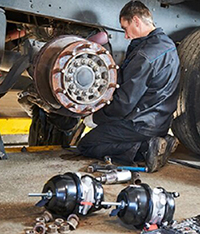
    In the world of logistics and heavy-duty transportation, keeping trucks in optimal condition is crucial for maintaining efficiency and safety. Accurate truck diagnostics play a pivotal role in identifying potential issues before they escalate into costly repairs or downtime. The comprehensive diagnostics of truck systems help in ensuring that every component, from the engine to the braking system, is functioning correctly. This article delves into the importance of accurate truck diagnostics, the services offered by professional providers, and how to choose the right service for your needs.

    Understanding Truck Diagnostics

    Truck diagnostics involve the use of specialized equipment to analyze the various systems within a truck. This process allows for the identification of issues that may not be immediately apparent through a simple visual inspection. Here are some key aspects:

    • Use of advanced diagnostic tools to access the truck’s on-board computer systems.
    • Identification of error codes that indicate specific problems within the vehicle.
    • Ability to diagnose issues related to the engine, transmission, brakes, and more.

    To gain a deeper understanding of truck diagnostics, read more about this topic.

    Benefits of Accurate Truck Diagnostics

    Accurate diagnostics offer multiple benefits that contribute to the overall health and performance of a truck:

    • Prevention of Major Failures: Early detection of issues can prevent severe breakdowns and extend the life of the truck.
    • Cost Efficiency: By identifying and addressing problems early, repair costs are reduced significantly.
    • Safety Assurance: Ensuring all systems function properly enhances the safety of the driver and other road users.

    For additional information on how diagnostics can enhance truck performance, find additional information here.

    Services Offered by Truck Diagnostics Providers

    Comprehensive Diagnostic Services

    Professional providers offer a range of diagnostic services tailored to meet the needs of different truck models and configurations. Their services typically include:

    • Engine diagnostics and performance evaluation.
    • Transmission and drivetrain analysis.
    • Brake system assessments.
    • Emission testing and compliance checks.

    Explore further insights into the services provided by reputable providers here.

    Advanced Technology and Equipment

    The use of state-of-the-art diagnostic equipment is crucial in delivering precise results. Providers often utilize:

    • On-board diagnostics (OBD) tools for real-time data analysis.
    • Software updates to ensure the latest technology is applied.
    • Wireless data transmission tools for remote diagnostics.

    To learn more about the technological advancements in truck diagnostics, learn more in this detailed guide.

    Choosing the Right Truck Diagnostics Provider

    When selecting a truck diagnostics service, consider the following factors:

    • Experience and Expertise: Choose providers with a proven track record and expertise in handling various truck models.
    • Range of Services: Ensure the provider offers comprehensive diagnostic services that cover all critical areas of the truck.
    • Use of Technology: Opt for providers that utilize the latest diagnostic tools and technologies.
    • Customer Support: Look for providers who offer excellent customer service and support throughout the diagnostic process.

    For more guidance on selecting a reliable diagnostics provider, explore further insights here.

    Accurate truck diagnostics are essential for maintaining the efficiency and safety of heavy-duty vehicles. By choosing a reliable diagnostics service provider, truck owners can ensure their vehicles operate at peak performance, minimizing downtime and repair costs. For more comprehensive insights into truck diagnostics, visit this resource.

  • High Wind Roofing Systems for Maximum Protection

    Generated Image

    In regions prone to high winds and severe weather conditions, the integrity of a building’s roofing system plays a crucial role in ensuring the safety and longevity of the structure. Properly designed and installed roofing systems can withstand gusts and turbulent weather, preventing costly damage and enhancing the building’s resilience. Understanding the critical components and considerations for high wind roofing systems is essential for architects, builders, and property owners aiming to protect their investments and ensure occupant safety.

    Key Components of High Wind Roofing Systems

    High wind roofing systems are engineered to provide robust protection against extreme weather conditions. These systems typically incorporate several critical components that work together to ensure maximum durability and performance.

    1. Roofing Materials

    The choice of roofing material significantly impacts the system’s ability to withstand high winds. Some of the most effective materials include:

    • Metal Roofing: Known for its durability and wind resistance, metal roofing is a popular choice in high-wind areas.
    • Asphalt Shingles: While cost-effective, selecting high-quality, wind-resistant shingles is vital for optimal protection.
    • Concrete and Clay Tiles: These heavy materials offer excellent resistance to wind uplift.

    Discover expert strategies for selecting the right roofing materials here.

    2. Fastening Systems

    The method of securing roofing materials is critical in ensuring they remain intact during high winds. Advanced fastening systems include:

    • Double Nailing: Provides additional holding power for shingles and tiles.
    • Adhesive Strips: Used in conjunction with nails, these adhesives enhance the bond between the roofing material and the underlying structure.

    Learn about our tailored solutions for effective fastening systems here.

    Design Considerations for Wind-Resistant Roofing

    In addition to material selection and fastening techniques, several design considerations play a pivotal role in crafting a wind-resistant roofing system.

    1. Roof Pitch and Shape

    The pitch and shape of the roof can influence its wind resistance:

    • Low-Slope Roofs: Tend to offer better resistance to wind uplift.
    • Complex Roof Shapes: Designs with fewer obstructions and overhangs generally perform better under high wind conditions.

    Explore advanced guides and tips on optimizing roof design here.

    2. Overhangs and Eaves

    Minimizing overhangs and properly reinforcing eaves can reduce the risk of wind damage. Considerations include:

    • Short Overhangs: Reducing the length of overhangs minimizes their exposure to wind forces.
    • Reinforced Eaves: Proper reinforcement prevents uplift and potential damage to the roof’s edge.

    Find out more about this approach to enhancing eaves and overhangs here.

    Installation Best Practices

    Proper installation is crucial to the effectiveness of a high wind roofing system. Contractors and builders must adhere to best practices to ensure optimal performance.

    • Professional Installation: Engaging experienced professionals ensures adherence to local building codes and standards.
    • Regular Inspections: Periodic inspections and maintenance help identify potential vulnerabilities and extend the roof’s lifespan.

    For comprehensive insights into best practices and installation techniques, consider exploring this resource.

    In conclusion, the selection and implementation of a high wind roofing system require careful consideration of materials, design, and installation methods. By integrating these elements, property owners can significantly enhance the resilience of their structures against extreme weather conditions, ensuring safety and longevity for years to come.

  • Get Your Hands on the Best Go Kart Hydraulic Brake Kit Today

    Generated Image

    For enthusiasts and professional racers alike, the thrill of go-karting is unmatched. However, to ensure safety and performance, having a reliable braking system is paramount. Hydraulic brake kits have become the gold standard in the industry, offering superior control and stopping power. This article delves into the essentials of acquiring the best go-kart hydraulic brake kit, ensuring your karting experience is both safe and exhilarating.

    Understanding Hydraulic Brake Systems

    Hydraulic brake systems are a critical component in modern go-karts, providing the necessary force to stop a kart promptly and safely. Unlike mechanical brakes, hydraulic systems use fluid pressure to transmit force from the pedal to the brake pads, enhancing efficiency and responsiveness.

    Key Features of Hydraulic Brake Kits

    • Enhanced Stopping Power: Hydraulic systems offer superior braking force, ensuring quick and reliable stops even at high speeds.
    • Durability: Built with high-quality materials, these kits are designed to withstand intense racing conditions.
    • Adjustability: Many kits come with adjustable features, allowing customization according to driving styles and track conditions.
    • Reduced Wear and Tear: Hydraulic systems reduce the mechanical wear on brake pads and discs, extending their lifespan.

    Choosing the Right Kit for Your Go-Kart

    Selecting the ideal hydraulic brake kit depends on various factors such as kart model, track conditions, and personal preference. Here are some considerations:

    • Compatibility: Ensure the kit is compatible with your go-kart model. Manufacturers often provide detailed specifications to assist in this process. Discover expert strategies here.
    • Performance Requirements: Different kits offer varying levels of performance. Assess your braking needs based on your racing style and typical track conditions.
    • Installation Ease: Opt for kits that come with comprehensive instructions and necessary hardware for straightforward installation.

    For more information on selecting the right kit, learn about our tailored solutions to enhance your racing performance.

    Installation and Maintenance Tips

    Proper installation and regular maintenance of your hydraulic brake kit are crucial for optimal performance and longevity. Below are essential tips for maintaining your kit:

    Installation Best Practices

    • Follow Manufacturer Instructions: Always adhere to the installation guidelines provided by the manufacturer to ensure a secure and precise fit.
    • Use Quality Tools: Employing the right tools ensures that components are fitted correctly without damage.

    Regular Maintenance Checks

    • Check Fluid Levels: Regularly inspect and refill brake fluid to maintain optimal hydraulic pressure.
    • Inspect for Wear: Examine brake pads and discs for signs of wear and replace them as necessary.
    • Bleed the System: Periodically bleed the brake system to remove air bubbles that can compromise braking efficiency.

    For comprehensive maintenance guidelines, explore advanced guides and tips to keep your brake system in peak condition.

    Benefits of Upgrading to a Hydraulic Brake Kit

    Transitioning from mechanical to hydraulic brakes can significantly enhance your karting experience. The benefits of upgrading include:

    • Improved Safety: Enhanced braking efficiency directly contributes to safer racing conditions.
    • Better Control: Hydraulic brakes provide smoother and more controlled deceleration, crucial for competitive racing.
    • Increased Confidence: Knowing your kart is equipped with top-tier braking technology boosts driver confidence.

    If considering an upgrade, find out more about this approach to revolutionize your go-karting experience.

    In conclusion, a hydraulic brake kit is an essential upgrade for anyone serious about go-karting. It not only enhances performance but ensures the safety and durability of your kart. With the right kit, installation, and maintenance, you can enjoy a thrilling yet safe karting experience. Whether you’re a hobbyist or a professional racer, a quality hydraulic brake system is a worthwhile investment. For further guidance and product options, visit Kart Parts today.

  • Optimizing Airflow with an Efficient Distribution Box

    Generated Image

    In the realm of HVAC systems, the distribution box plays a pivotal role in ensuring optimal airflow and energy efficiency. As HVAC systems are crucial in maintaining indoor air quality and comfort, addressing the efficiency of each component, particularly the distribution box, is essential. This article delves into the importance of an efficient distribution box and how it can significantly optimize airflow, enhance system performance, and reduce energy consumption. For further insights into the best practices, discover expert strategies here.

    Understanding the Role of a Distribution Box in HVAC Systems

    A distribution box is integral to an HVAC system’s ductwork. It serves multiple functions:

    • Directing heated or cooled air to various parts of a building.
    • Balancing airflow across different zones to maintain uniform temperature.
    • Minimizing energy loss by ensuring airtight connections.

    An efficient distribution box is engineered to handle these functions seamlessly. By ensuring precise control over airflow, it contributes to the system’s overall efficiency and reliability. To understand the technical specifics of distribution boxes, find out more about this approach.

    Features of an Efficient Distribution Box

    Design and Material Considerations

    The design and materials used in a distribution box are critical for performance. High-quality materials prevent air leakage and enhance durability. Key design features include:

    • Insulated panels to reduce thermal loss.
    • Adjustable dampers for precise airflow control.
    • Modular design for easy integration with existing systems.

    These features ensure that the distribution box not only performs its function but also contributes to the energy efficiency of the entire HVAC system. For more on selecting the right materials, explore advanced guides and tips.

    Installation and Maintenance Best Practices

    Proper installation and regular maintenance are crucial for the optimal performance of a distribution box. Key practices include:

    • Ensuring airtight seals during installation to prevent leakage.
    • Regular inspection for wear and tear, especially in high-usage systems.
    • Cleaning ducts and components to prevent blockage and inefficiency.

    Adhering to these practices can significantly enhance the lifespan and efficiency of the distribution box. For a comprehensive checklist of maintenance practices, learn about our tailored solutions.

    Impact on Energy Efficiency and Cost Savings

    An efficient distribution box can lead to substantial energy savings by minimizing air leakage and ensuring efficient air distribution. This not only results in lower energy bills but also reduces the environmental impact of HVAC systems. The financial benefits can be substantial:

    • Reduced energy consumption leads to lower utility costs.
    • Longer equipment lifespan reduces replacement and repair costs.
    • Improved system performance enhances indoor comfort and air quality.

    For organizations looking to optimize their HVAC systems, investing in a high-quality distribution box is a strategic decision. To explore the cost-saving benefits further, explore advanced guides and tips.

    Conclusion

    Optimizing airflow with an efficient distribution box is a crucial step in enhancing the performance and energy efficiency of HVAC systems. By focusing on quality materials, precise design, and regular maintenance, significant improvements in system efficiency can be achieved. This not only ensures a comfortable indoor environment but also contributes to long-term cost savings and sustainability. For more information on optimizing airflow and achieving energy efficiency, discover expert strategies here.

  • Expert Tips for Large Plasterboard Repair Patching

    Generated Image

    Plasterboard, also known as drywall, is a common material used in the construction of interior walls and ceilings. Despite its durability, it can suffer from damage over time, necessitating repairs. Large plasterboard patching can seem daunting, but with the right approach and techniques, it can be managed effectively. This guide aims to provide expert tips and strategies for repairing large areas of plasterboard damage, ensuring a seamless and professional finish.

    Understanding the Scope of Repair

    The first step in any plasterboard repair is understanding the extent of the damage. This involves:

    • Inspecting the damaged area to assess its full extent.
    • Determining whether the damage is superficial or structural.
    • Considering factors such as moisture presence, which could complicate repairs.

    For comprehensive insights into assessing and planning repairs, find out more about this approach.

    Tools and Materials Needed

    Successful large plasterboard patching requires the right tools and materials. Here?s a checklist:

    • Plasterboard sheets
    • Joint compound
    • Plasterboard screws
    • Tape measure and cutting tools
    • Sandpaper and sanding block
    • Paint and primer to match existing wall color

    Having the right tools ensures that the repair process is smooth and efficient. Learn about our tailored solutions for selecting the appropriate materials.

    Steps for Effective Plasterboard Repair

    1. Prepare the Area

    Preparing the damaged area is crucial for ensuring a seamless patch. Follow these steps:

    • Clear the area of debris and loose plaster.
    • Use a damp cloth to clean the surface.
    • Mark the perimeter of the damaged area with a pencil.

    2. Cut and Fit the New Plasterboard

    Accurate measurements are vital for a perfect fit:

    • Measure the dimensions of the patch area carefully.
    • Cut the new plasterboard to size using a utility knife.
    • Ensure the cut piece fits snugly into the damaged area.

    3. Secure and Finish the Patch

    Once the plasterboard is cut, securing it properly is the next step:

    • Screw the new plasterboard piece into place, ensuring it is flush with the existing wall.
    • Apply joint compound over the seams and screw heads.
    • Use a plasterboard tape to cover joints, then apply a second layer of joint compound.
    • Sand the area smooth once the compound is dry.

    Explore advanced guides and tips on achieving a flawless finish.

    Final Touches

    The final stage involves priming and painting the patched area:

    • Apply a primer to ensure paint adheres well.
    • Once the primer is dry, paint the area using color that matches the existing wall.
    • Blend the new paint with the old for a seamless appearance.

    For additional techniques on blending and finishing, discover expert strategies here.

    In conclusion, large plasterboard repair patching requires a methodical approach. By understanding the scope of damage, using the correct tools, and following structured repair steps, anyone can achieve a professional-quality repair. For more detailed insights and professional guidance, explore advanced guides and tips.

  • Top Karting Tools to Improve Your Racing Performance

    Generated Image

    Karting, an exhilarating motorsport, demands not just skill and speed but also the right set of tools to enhance racing performance. Whether you’re a seasoned racer or a novice, equipping yourself with the right karting tools can significantly impact your performance on the track. Understanding the tools and strategies that can aid your racing journey is essential for anyone serious about karting. This article delves into some of the top karting tools that can help improve your racing performance, offering insights into how they can be used effectively.

    Essential Karting Tools

    Investing in the right karting tools is crucial for maintenance and performance enhancement. Here are some indispensable tools every kart racer should consider:

    • Torque Wrench: Ensures the bolts and nuts on your kart are tightened to the correct specifications, preventing over-tightening or loosening during a race.
    • Tire Pressure Gauge: Accurate tire pressure is vital for optimal grip and handling. A quality tire pressure gauge is a must-have for any kart racer.
    • Chain Breaker Tool: Aids in the easy removal and adjustment of the kart chain, ensuring it fits perfectly and functions smoothly.
    • Alignment Tools: Proper alignment of the kart’s wheels and chassis can significantly impact handling and speed. These tools are essential for maintaining optimal performance.
    • Fuel Tester: Ensures the quality and consistency of the fuel being used, which can affect engine performance and reliability.

    For those looking to expand their toolkit, discover expert strategies here to enhance your karting setup.

    Advanced Tools for Competitive Edge

    Beyond the basic tools, advanced karting tools can give racers a competitive edge. These tools assist in fine-tuning the kart for specific track conditions and racing styles:

    • Data Logging Systems: Capture and analyze critical performance data such as lap times, engine RPM, and throttle positions. This information helps in making informed adjustments for improved performance.
    • Chassis Tuning Tools: These tools help in adjusting the kart’s chassis for better balance and handling, which is crucial for competitive racing.
    • Carburetor Adjuster: Fine-tunes the fuel and air mixture, ensuring the engine runs efficiently under different conditions.
    • Digital Scale System: Used to balance the kart’s weight distribution, which can affect cornering and speed.

    Explore advanced guides and tips at this resource to take your karting performance to the next level.

    Tool Maintenance and Best Practices

    Maintaining your karting tools is as important as maintaining the kart itself. Proper care ensures longevity and reliability:

    • Regular Cleaning: Keep tools clean and free from dirt and grime to ensure accurate readings and functionality.
    • Proper Storage: Store tools in a dry, organized space to prevent rust and damage.
    • Routine Calibration: Regularly calibrate tools like torque wrenches and tire pressure gauges to maintain their accuracy.
    • Inspections: Conduct regular inspections for wear and tear, replacing any tools that are damaged or worn out.

    Learn about our tailored solutions for tool maintenance at this page.

    Conclusion

    In the world of karting, having the right tools is paramount to achieving success on the track. From essential maintenance tools to advanced systems for competitive racing, each tool plays a critical role in optimizing performance. By investing in high-quality karting tools and maintaining them properly, racers can ensure they are always ready for the challenges of the race. To further enhance your karting experience, find out more about this approach and equip yourself with the best tools available.

Zona66 Daftar Live Casino