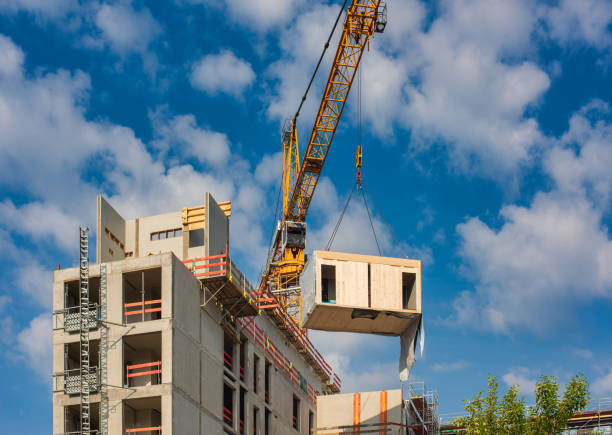
The concept of modular house construction has gained significant traction in recent years, positioning itself as a modern solution to traditional building challenges. This approach involves constructing a house in sections, or modules, which are then transported to the site and assembled. This method not only promises efficiency and sustainability but also introduces a new level of flexibility to the housing market. With the construction industry continuously evolving, modular homes offer a compelling alternative for those looking to build quickly and economically without compromising on quality or design.
Efficiency and Speed of Construction
One of the primary benefits of modular house construction is its remarkable efficiency. The building process is significantly faster than traditional methods, as modules are constructed in a controlled factory environment. This allows for:
- Simultaneous site preparation and module construction, reducing overall project timelines.
- Less exposure to weather conditions, minimizing delays and ensuring consistent quality.
- Streamlined processes that allow for quicker assembly and installation once on-site.
Sustainability and Environmental Impact
Modular homes are often considered a greener choice due to their sustainable construction practices. The factory setting promotes:
- Reduced waste through precise material usage and recycling capabilities.
- Lower energy consumption during construction, as factories can optimize for efficiency.
- Enhanced insulation and energy-efficient designs that reduce the carbon footprint of the final product.
These factors contribute to a more environmentally friendly building process, appealing to eco-conscious consumers.
Design Flexibility and Customization
Contrary to the misconception that modular homes are cookie-cutter, they offer a broad spectrum of design options. This flexibility allows for:
- Customization of floor plans and finishes according to personal preferences.
- Integration of modern architectural styles and innovative design features.
- Adaptations for future expansions or modifications, providing long-term versatility.
This adaptability makes modular homes attractive to a wide range of homeowners, from first-time buyers to those looking for bespoke living spaces.
Quality Control and Durability
The controlled environment of factory construction ensures a high level of quality and consistency. Advantages include:
- Stringent quality control measures that ensure each module meets specific standards.
- Use of durable materials, often surpassing those used in traditional construction.
- Enhanced structural integrity due to engineering techniques that accommodate transportation and assembly.
This approach not only enhances the longevity of the structure but also assures homeowners of the reliability of their investment.
Cost-Effectiveness
Modular homes are often more cost-effective than their traditional counterparts. Key factors contributing to their affordability include:
- Reduced labor costs due to the streamlined construction process.
- Lower material costs from bulk purchasing and minimized waste.
- Fewer unforeseen expenses, as the majority of construction occurs in a controlled environment.
These cost savings make modular homes an attractive option for budget-conscious buyers without sacrificing quality or design appeal.
Conclusion
The emergence of modular house construction as a viable alternative to traditional building methods marks a significant shift in the industry. With advantages ranging from efficiency and sustainability to quality and cost-effectiveness, modular homes present a modern approach that aligns with contemporary needs and values. As the demand for innovative housing solutions continues to grow, modular construction is poised to play a pivotal role in shaping the future of residential development.