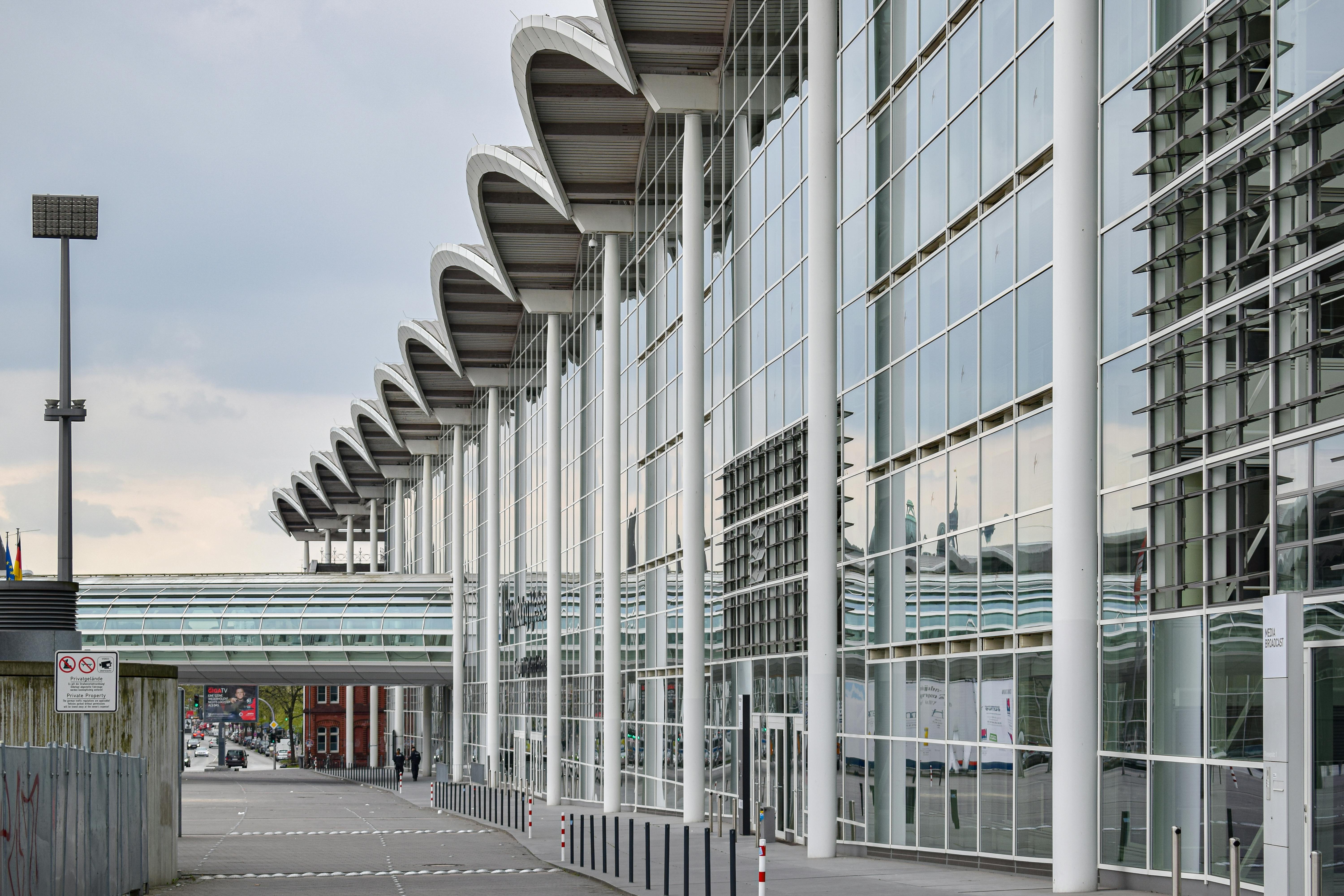
In recent years, the construction industry has witnessed a paradigm shift towards sustainable building practices. The push for sustainability is not merely driven by environmental concerns but also by the understanding that these practices can lead to significant economic benefits. Sustainable buildings are designed to reduce energy consumption, minimize waste, and provide healthier living environments. Beyond the environmental and health advantages, they are increasingly recognized for their potential to deliver long-term financial savings and an attractive return on investment (ROI) for developers and property owners.
Understanding the Economics of Sustainable Building
Sustainable building involves integrating eco-friendly techniques and materials into the construction process. While the initial costs can be higher compared to traditional building methods, the economic benefits over time make them a wise investment. Here are some key factors contributing to the economic viability of sustainable buildings:
- Reduced Operating Costs: Energy-efficient designs and systems, such as solar panels and high-efficiency HVAC systems, significantly decrease utility bills. Over time, this results in substantial savings.
- Increased Property Value: Sustainable buildings often have higher market value due to their efficiency and modern design. This can lead to higher resale values and rental incomes.
- Tax Incentives and Rebates: Many governments offer financial incentives for adopting green building practices, further enhancing the ROI.
Long-Term Savings and Return on Investment
Energy Efficiency and Cost Savings
The implementation of energy-efficient technologies is a cornerstone of sustainable building. These technologies not only reduce energy consumption but also decrease maintenance costs. For instance, LED lighting and smart thermostats are small investments that can lead to significant savings. Discover expert strategies here for maximizing energy efficiency in building projects.
Water Conservation and Management
Water-efficient plumbing fixtures and irrigation systems are integral to sustainable building. They help in reducing water consumption, which translates to lower utility bills. Rainwater harvesting systems can also be a valuable addition, offering free water supply for landscaping and other non-potable uses. Learn about our tailored solutions for effective water management in sustainable projects.
Health and Productivity Benefits
Sustainable buildings often incorporate improved ventilation and non-toxic materials, leading to healthier indoor environments. This can result in increased occupant productivity, reduced absenteeism, and lower healthcare costs. These factors indirectly contribute to the economic benefits of sustainable buildings. Explore advanced guides and tips on maintaining healthy building environments.
Challenges and Considerations
Despite the clear economic benefits, there are challenges associated with sustainable buildings. The higher initial costs can be a deterrent for some developers. However, innovative financing options and a long-term perspective can help mitigate these concerns. Additionally, the complexity of sustainable design requires expertise and careful planning. Find out more about this approach to overcoming these challenges and maximizing the benefits of sustainable building practices.
Conclusion
The economics of sustainable building underscore the importance of considering long-term benefits over upfront costs. While the initial investment may be higher, the resulting savings in operating expenses, coupled with incentives and improved property value, make sustainable buildings a financially sound choice. As awareness and demand for environmentally responsible practices continue to grow, sustainable buildings are poised to become the standard rather than the exception in the industry.