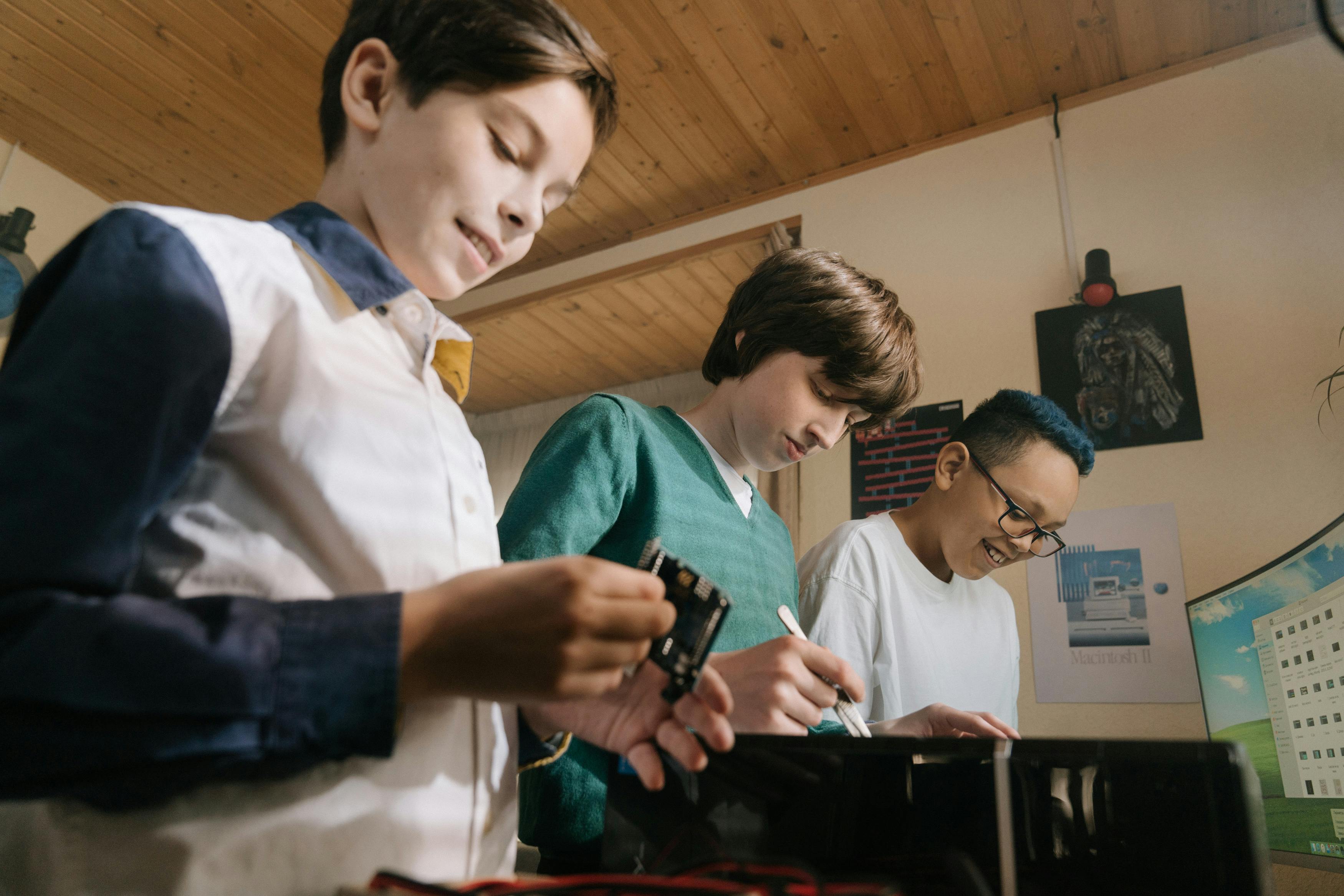
In recent decades, experiential learning programs have gained significant traction in educational settings, reflecting a shift from traditional pedagogical methods to more hands-on and engaging forms of learning. This educational approach emphasizes learning through experience, fostering critical thinking, and application of knowledge in real-world scenarios. It represents a departure from rote memorization and passive learning, providing students with opportunities to engage actively with their environment and subject matter. As the demand for practical skills in the professional world increases, so does the need for educational models that prepare students for these challenges.
The Foundations of Experiential Learning
The concept of experiential learning is rooted in the works of educational theorists such as John Dewey and David Kolb. Dewey”?s philosophy of Progressive education laid the groundwork for experiential approaches by advocating for education that is deeply connected to students’ experiences and interests. Kolb further developed this by introducing the Experiential Learning Cycle, which posits that learning is a process where knowledge is created through the transformation of experience.
Key Principles of Experiential Learning
- Learning as a process: It involves continuous cycles of experience, reflection, conceptualization, and experimentation.
- Student-centered approach: Focuses on the needs, strengths, and interests of students.
- Active participation: Encourages involvement in activities that require students to engage directly with the material.
- Real-world relevance: Connects educational content to real-life situations, enhancing the learning process.
Implementation in Educational Institutions
Many educational institutions have embraced experiential high school education as a way to enhance student engagement and learning outcomes. These programs are designed to bridge the gap between theoretical knowledge and practical application, equipping students with skills that are highly valued in the workplace.
Common Forms of Experiential Learning Programs
- Project-based learning: Students work on projects that solve real-world problems, fostering collaboration and critical thinking.
- Internships and apprenticeships: Provide hands-on experience in a professional setting, enabling students to apply classroom learning in real-life contexts.
- Service learning: Combines community service with academic instruction, emphasizing reflection and social responsibility.
- Field trips and immersion programs: Offer opportunities for students to explore environments outside the classroom, enhancing their understanding of the subject matter.
The Benefits of Experiential Learning
The adoption of experiential learning programs in education comes with numerous benefits that extend beyond academic achievement. These programs foster a holistic development approach, preparing students for the complexities of modern life.
Key Benefits
- Enhanced critical thinking skills: By engaging in problem-solving activities, students develop the ability to analyze and evaluate information critically.
- Improved retention of knowledge: Learning through experience helps students retain information more effectively compared to traditional methods.
- Increased motivation and engagement: Active participation and real-world relevance increase student interest and motivation.
- Development of soft skills: Experiential learning promotes the development of communication, teamwork, and leadership skills.
Challenges and Future Directions
Despite its benefits, the implementation of experiential learning can present challenges, such as resource allocation, curriculum integration, and assessment methods. However, the ongoing evolution of educational practices and the support of Progressive Education Programs are paving the way for overcoming these obstacles. By continuing to innovate and adapt, educational institutions can create learning environments that not only impart knowledge but also prepare students for life beyond the classroom.
The future of education lies in embracing these dynamic learning models, ensuring that the next generation is equipped with the skills and competencies necessary to thrive in an ever-changing world. As educators continue to refine and expand their approaches, the role of experiential education will undoubtedly become more prominent, offering students a more engaging and effective educational experience.