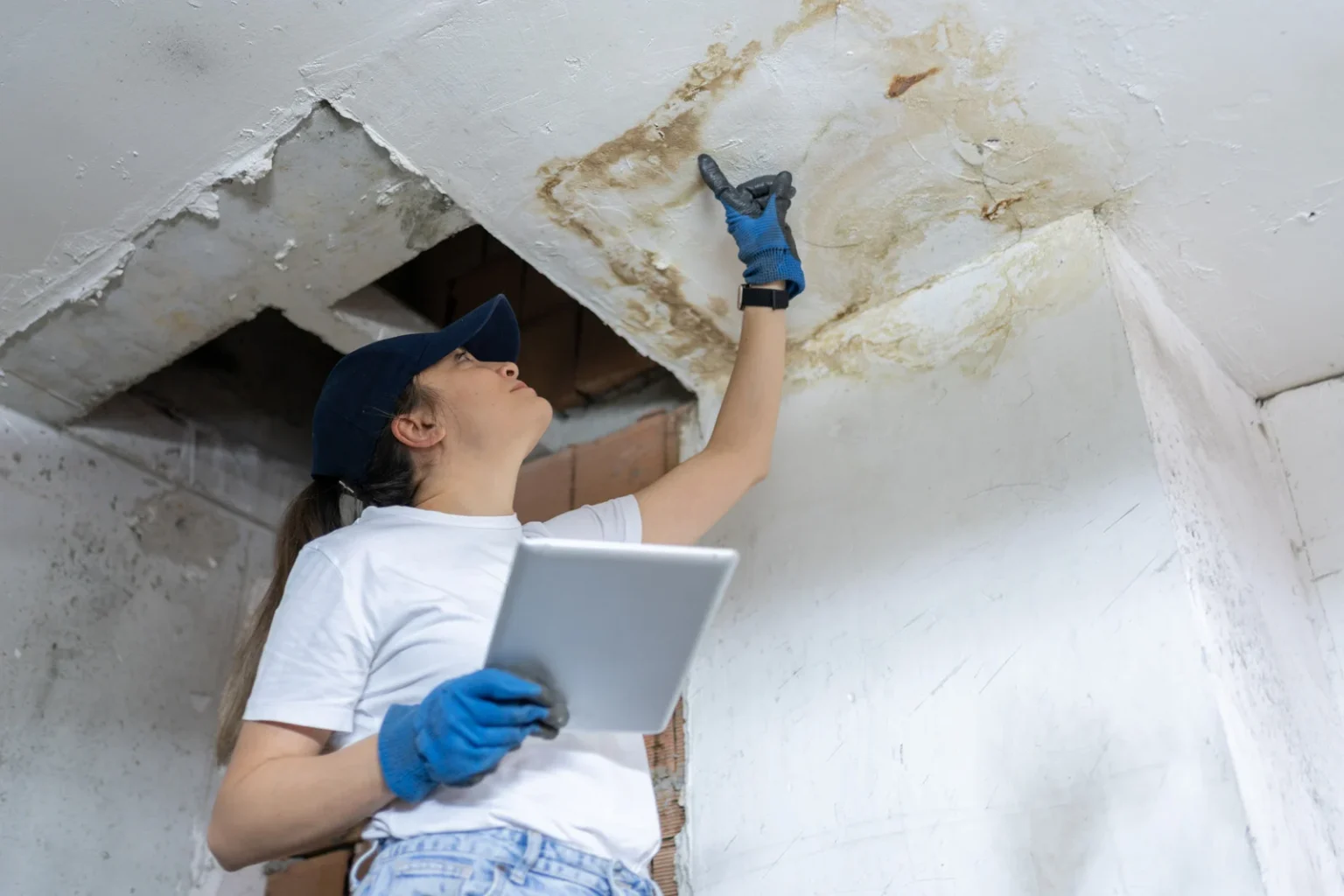
Mould growth is a common issue in homes across Wollongong and Sydney, often arising from high humidity levels and inadequate ventilation. Left unchecked, mould can cause significant damage to property and pose health risks. Effective mould removal is crucial for maintaining a safe and healthy living environment. This guide provides essential tips for effective mould remediation, ensuring your home remains mould-free.
Understanding the Causes of Mould Growth
Before tackling mould removal, it’s important to understand the underlying causes of mould growth. The primary reasons include:
- Moisture: Leaking roofs, pipes, or poor drainage can introduce moisture into the home, creating an ideal environment for mould.
- Humidity: Homes in areas with high humidity, like Wollongong and Sydney, are especially susceptible to mould development.
- Ventilation: Inadequate ventilation traps moisture inside, providing a breeding ground for mould spores.
By identifying and addressing these causes, homeowners can prevent mould from taking hold in the first place. Discover expert strategies here for managing these issues effectively.
Steps for Effective Mould Removal
1. Assessment and Inspection
The initial step in mould removal is conducting a thorough inspection to assess the extent of the problem. This includes:
- Identifying visible mould growth and potential hidden mould in areas like attics and basements.
- Checking for moisture sources and leaks that may contribute to mould proliferation.
Professional mould removal services can provide a comprehensive evaluation, ensuring all affected areas are addressed. Learn about our tailored solutions for effective inspection processes.
2. Containment and Safety
Before starting the removal process, it’s essential to contain the affected area to prevent mould spores from spreading. Key steps include:
- Sealing off the area using plastic sheeting and duct tape.
- Wearing protective gear such as masks, gloves, and goggles to avoid exposure to mould spores.
These precautions are vital for ensuring the safety of both the occupants and the remediation team. Explore advanced guides and tips for containment techniques.
3. Removal and Cleaning
Once the area is contained, proceed with the removal and cleaning process:
- Use commercial-grade mould cleaning products or a mixture of water and detergent to clean surfaces.
- Remove and discard porous materials such as drywall and carpeting that are heavily infested.
- Ensure all surfaces are thoroughly dried to prevent mould regrowth.
Professional services often employ specialized equipment to ensure complete removal and decontamination. Find out more about this approach to ensure thorough cleaning and removal.
Preventing Future Mould Growth
Long-term prevention of mould involves addressing the root causes and maintaining a mould-resistant environment. Consider these preventive measures:
- Install dehumidifiers to control indoor humidity levels.
- Improve ventilation by using exhaust fans in bathrooms and kitchens.
- Regularly inspect and maintain plumbing systems to prevent leaks.
Adopting these strategies not only prevents future mould growth but also enhances the overall air quality in your home. Explore advanced guides and tips for long-term mould prevention.
Conclusion
Mould removal requires a methodical approach to effectively eliminate existing growth and prevent future occurrences. By understanding the causes, conducting thorough inspections, and employing proper removal techniques, homeowners in Wollongong and Sydney can protect their properties and health from the adverse effects of mould. For comprehensive support and guidance, consider consulting with professional mould remediation experts. Learn about our tailored solutions for effective mould management.